Back to top
Phenyl Chloroformate (1885-14-9)

Phenyl Chloroformate (1885-14-9)

Price 300.0 INR/ Kilograms

MOQ : 25 Kilograms

Phenyl Chloroformate (1885-14-9) Specification

  • Storage
  • Other
  • Properties
  • Phenyl Chloroformate is a reactive liquid with molecular weight 156.57 g/mol. Insoluble in water, soluble in organic solvents, and hydrolyzes rapidly in moist air to release HCl and phenol. Corrosive, lachrymatory, and volatile, requiring strict protective handling under inert conditions. Stable only in dry, sealed containers.
  • Shelf Life
  • 1 year (under recommended storage) Years
  • Application
  • Industrial
  • Melting Point
  • -10 C
  • Molecular Weight
  • 156.57 g/mol Grams (g)
  • HS Code
  • 29209090
  • Density
  • 1.266 Gram per cubic centimeter(g/cm3)
  • CAS No
  • 1885-14-9
  • Molecular Formula
  • C7H5ClO2
  • Purity
  • 98 99%
  • Grade
  • Industrial Grade
  • Usage
  • Acylating agent in organic synthesis; used to prepare carbamates, carbonates, and chloroformate esters
  • Physical Form
  • Liquid
  • Smell
  • Other
  • Poisonous
  • Product Type
  • Organic Intermediate
  • Solubility
  • Insoluble in water; soluble in organic solvents (dichloromethane, ether)
  • EINECS No
  • 217-552-4
  • Appearance
  • Colorless to pale yellow liquid
  • Shape
  • other
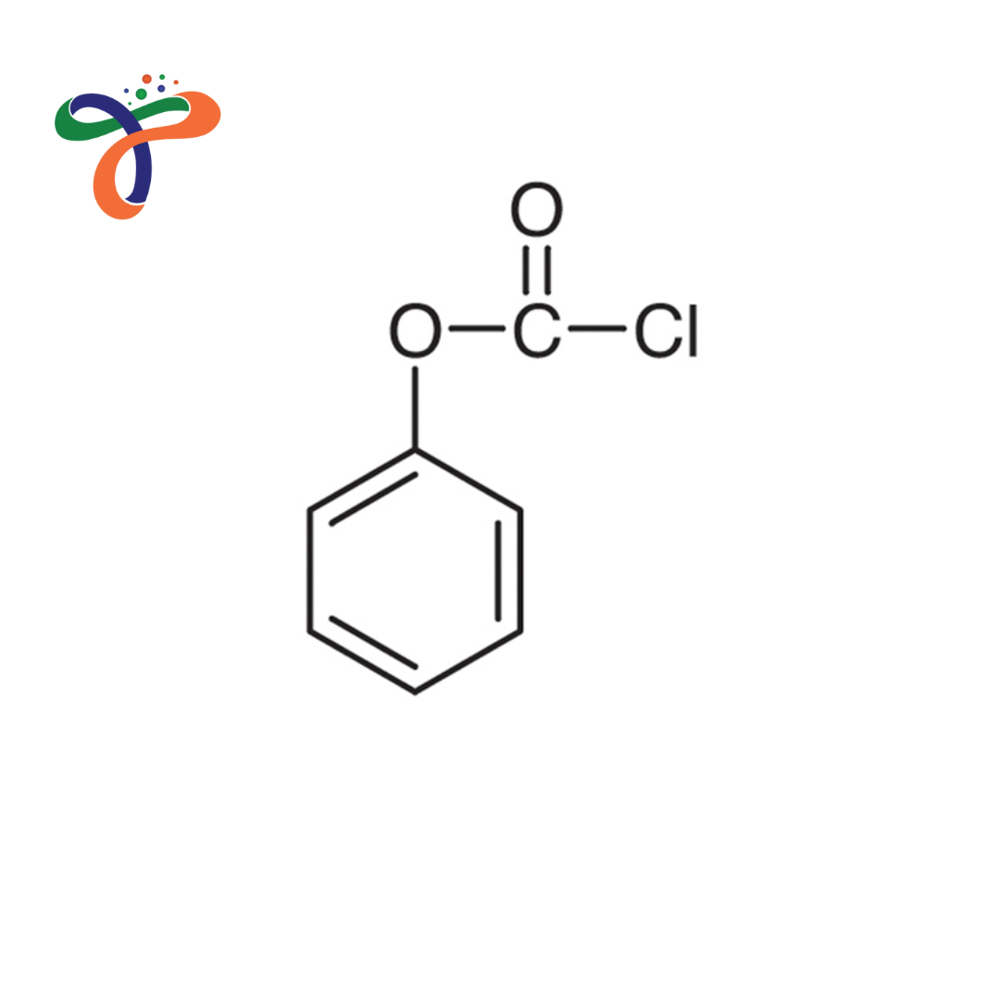
  • Structural Formula
  • C7H5ClO2
  • Ingredients
  • Phenyl chloroformate
  • Refractive Rate
  • 1.52
  • Stability
  • Stable under recommended storage conditions, decomposes in presence of water or moist air
  • Signal Word
  • Danger
  • Flash Point
  • 107C (225F)
  • Vapor Pressure
  • 0.12 mmHg (25C)
  • Transport Information
  • UN 3261, Class 8 (Corrosive), Packing Group II
  • Boiling Point
  • 220-222C
  • Hazard Codes
  • Xn (Harmful), C (Corrosive)
  • Incompatibility
  • Avoid contact with water, strong bases, amines, alcohols, and strong oxidizers
  • First Aid Measures
  • In case of contact, immediately flush skin or eyes with plenty of water; seek medical attention
  • Packaging
  • Available in HDPE drums or glass bottles


Phenyl Chloroformate (1885-14-9) About

We Are Supplier, Exporter And Contract Manufacturer.Technical Profile Of Phenyl Chloroformate, A High-Purity Raw Chemical Material Supplied By Triveni Chemicals For Industrial Manufacturing And Laboratory Synthesis.
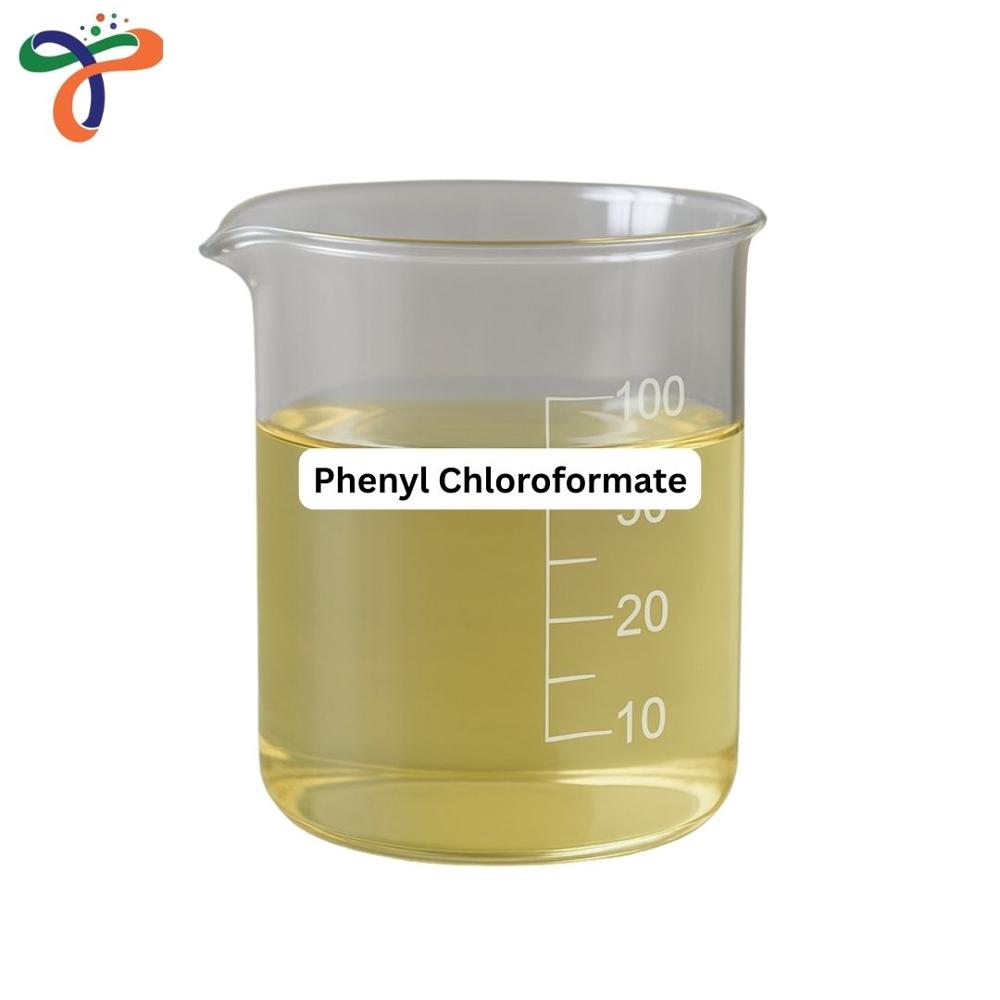
Phenyl Chloroformate (CAS No: 1885-14-9) is a fresh, highly reactive industrial intermediate recognized for its stellar performance in synthesizing carbamates, polycarbonates, and urethanes. Boasting a lustrous clarity-colorless to pale yellow-this decorated compound ensures high purity (>99%) for specialized applications in pharmaceuticals, agrochemicals, dyes, and polymers. Stored in decorated HDPE drums or glass bottles, it maintains stability under recommended conditions and remains moisture sensitive. Access to phenyl chloroformate is strictly regulated given its toxic properties and it is ready for global dispatch. Redeem its benefits in advanced synthesis with assured safety and compliance.

Plant Application and Utilization

Phenyl Chloroformate (1885-14-9) plays a crucial role as an intermediate in the synthesis of carbamates and polycarbonates in pharmaceutical and specialty chemical plants. Its application method involves careful dosing and mixing in closed, controlled environments due to its moisture sensitivity and high reactivity. The primary areas of application include pharmaceutical manufacturing, agrochemical production, and polymer processing, where it delivers high purity and performance in the desired end products.


Supply Capacity & Global Export Market

Our production of Phenyl Chloroformate boasts a robust stock ready for prompt packing and dispatch. We cater to the expansive export markets of Asia, Europe, and the Americas, ensuring a seamless supply chain. Available in HDPE drums or glass bottles, our delivery time is optimized for client requirements, with superior logistics designed for safety and timely arrival. Each shipment is overseen to meet international transport regulations, elevating our status as a reliable supplier from India.


FAQ's of Phenyl Chloroformate (1885-14-9):


Q: How should Phenyl Chloroformate be stored to maximize shelf life and ensure stability?

A: Store Phenyl Chloroformate tightly sealed in a cool, dry, and well-ventilated area, away from moisture, strong bases, amines, alcohols, and oxidizers. Proper storage maximizes its 1-year shelf life and preserves product integrity.

Q: What are the recommended first aid measures in case of accidental exposure to Phenyl Chloroformate?

A: In case of skin or eye contact, immediately flush the affected area with plenty of water and seek urgent medical attention. If inhaled or ingested, move to fresh air and get medical help right away.

Q: Where is Phenyl Chloroformate mainly applied in industrial processes?

A: Phenyl Chloroformate is primarily used as an intermediate in the synthesis of pharmaceuticals, agrochemicals, dyes, and polymers, especially in the production of carbamates, polycarbonates, and urethanes.

Q: How is Phenyl Chloroformate typically packaged for safe transport and export?

A: This product is available in HDPE drums or glass bottles, optimized to protect it from moisture and ensure safe transport. Each package complies with UN 3261, Class 8 (Corrosive), Packing Group II standards.

Q: What makes Phenyl Chloroformate beneficial in chemical synthesis?

A: With its high reactivity and over 99% purity, Phenyl Chloroformate offers efficient and selective synthesis of valuable intermediates, enabling advanced manufacturing in pharmaceuticals and specialty chemicals.

Tell us about your requirement
product

Price:

Quantity
Select Unit

  • 50
  • 100
  • 200
  • 250
  • 500
  • 1000+
Additional detail
Mobile number

Email

More Products in Industrial Chemicals Category

Sodium Hypophosphite Monohydrate

Sodium Hypophosphite Monohydrate

Price 350.0 INR / Kilograms

Minimum Order Quantity : 25 Kilograms

Usage : Reducing agent in electroless nickel plating; chemical intermediate; used in redox and plating processes

Properties : It appears as a white crystalline powder, highly soluble in water and stable under normal storage conditions when kept dry. It is nonflammable but decomposes on strong heating.

Application : Industrial

Melting Point : 72 C
Triethyl Phosphite (122-52-1)

Triethyl Phosphite (122-52-1)

Price 2000.0 INR / Kilograms

Minimum Order Quantity : 25 Kilograms

Usage : Phosphite ester reagent in organic synthesis; used as a phosphite donor in radical and condensation reactions; intermediate in synthesis of phosphoruscontaining compounds

Properties : Triethyl phosphite is a versatile organophosphorus reagent widely used in the MichaelisArbuzov reaction to synthesize phosphonate esters. These products are crucial intermediates in the production of flame retardants, plasticizers, and complex pharmaceuticals. It also serves as a potent reducing agent for various organic functional groups in synthesis.v

Application : Industrial

Melting Point : 60 C
Diphenyl Amine (122-39-4)

Diphenyl Amine (122-39-4)

Price 2250.0 INR / Kilograms

Minimum Order Quantity : 25 Kilograms

Usage : Antioxidant and polymer stabilizer; intermediate in dye and pharmaceutical synthesis

Properties : Diphenylamine is a crystalline secondary aromatic amine primarily used as a stabilizer for nitrocellulosebased explosives and propellants. It functions as a critical antioxidant in the rubber, lubricant, and plastics industries, and serves as a precursor for synthesizing various dyes, pharmaceuticals, and preharvest scald inhibitors for agriculture.

Application : Industrial

Melting Point : 54 C
2,4-Dinitrophenylhydrazine (119-26-6) (C6H6N4O4)

2,4-Dinitrophenylhydrazine (119-26-6) (C6H6N4O4)

Price 3870.0 INR / Kilograms

Minimum Order Quantity : 1 Kilograms

Usage : Analytical reagent for carbonyl compound detection via DNPH derivatization

Properties : 2,4Dinitrophenylhydrazine is an orangered crystalline solid, often utilized as an analytical reagent in organic chemistry. It is specifically used to detect and identify carbonyl groups in aldehydes and ketones by forming distinct, colored precipitate derivatives.

Application : Industrial

Melting Point : 140 C