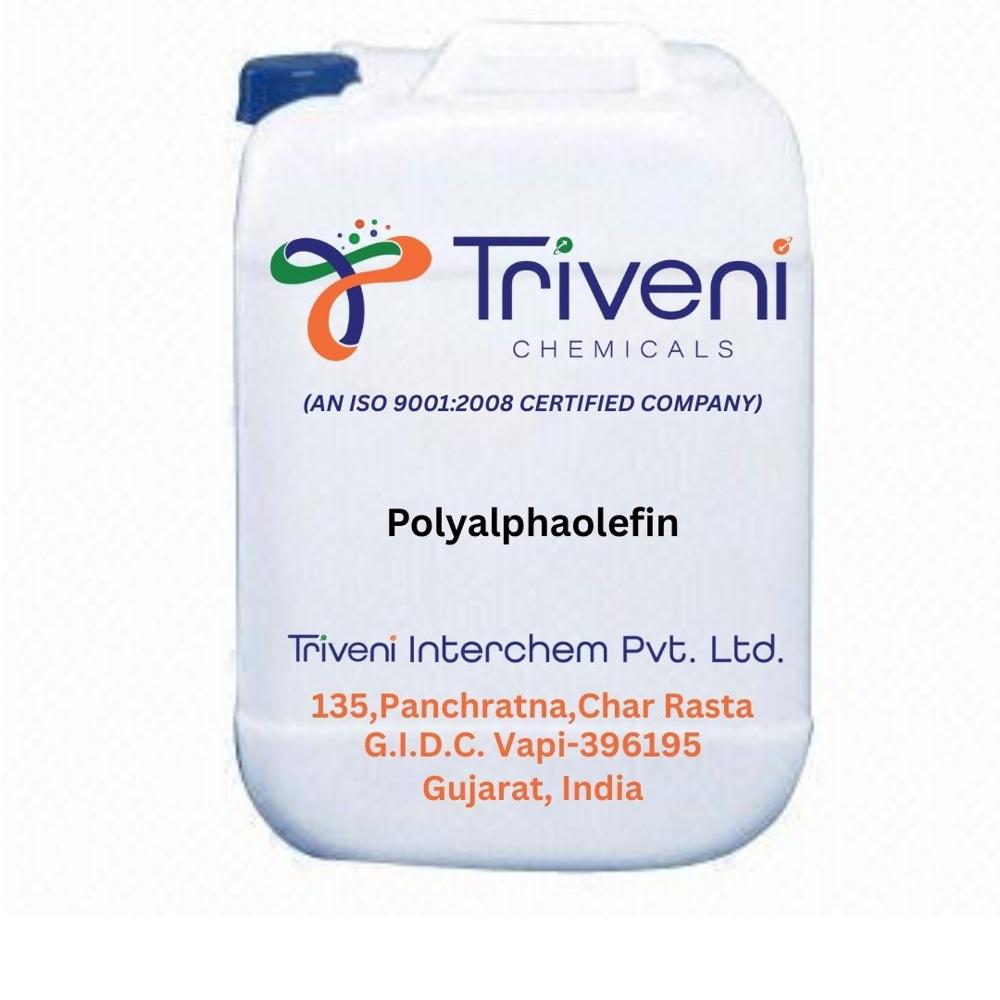
Polyalphaolefin (420 g/mol) (320 C) About
We are Supplier, Exporter and Contract Manufacturer.
Technical profile of Polyalphaolefin, a high-purity raw chemical material supplied by Triveni Chemicals for industrial manufacturing and laboratory synthesis.
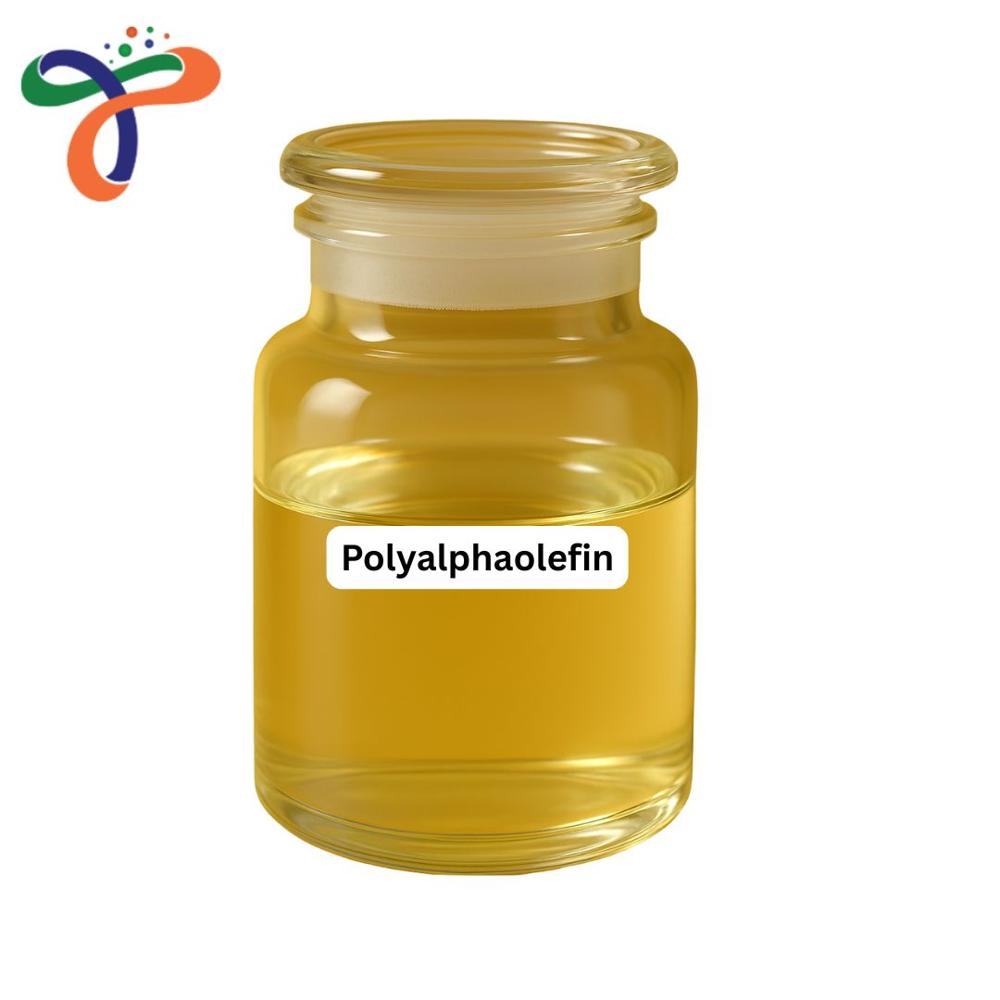
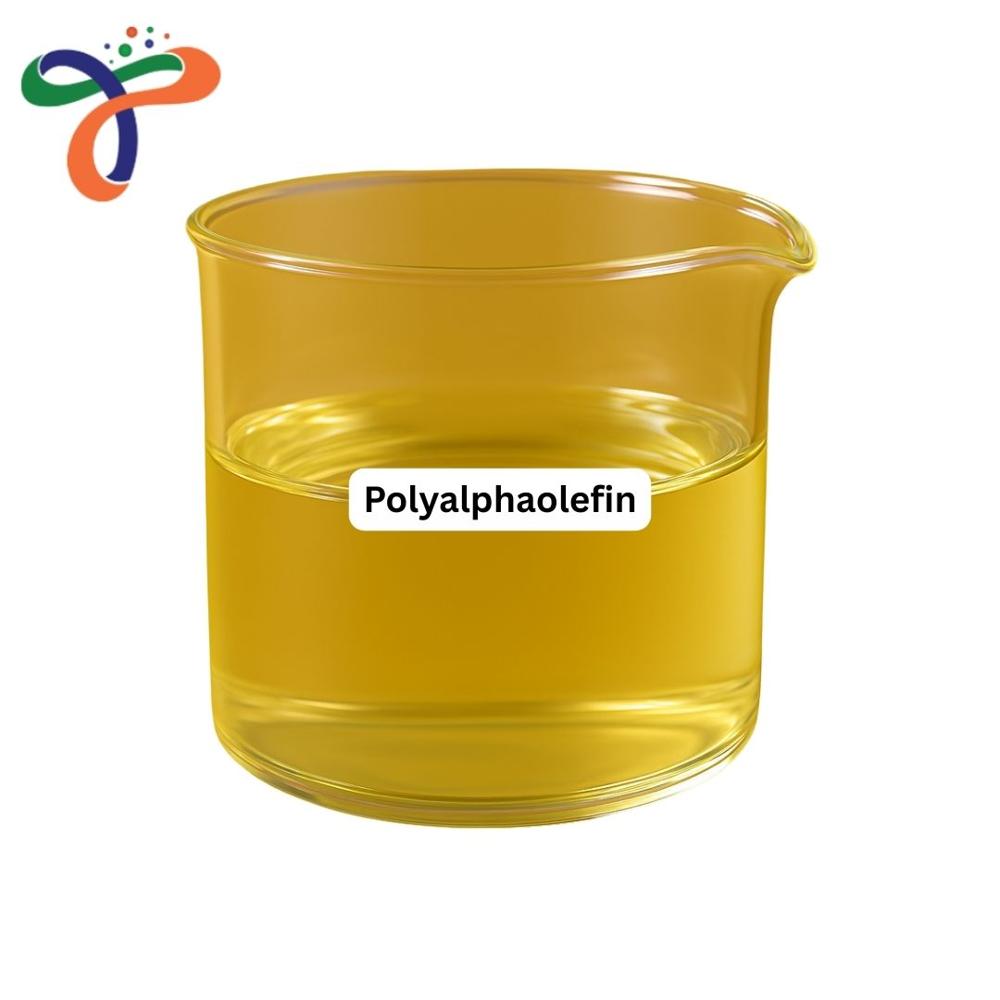
Polyalphaolefin (PAO) is a synthetic hydrocarbon polymer used as a base oil in high-performance lubricants. It does not have a single fixed chemical formula because it is a mixture of oligomers derived from alpha-olefins (commonly decene). It appears as a clear, colorless, and odorless viscous liquid. It is highly stable, non-polar, and has excellent thermal and oxidative stability with very low volatility.
In terms of uses and applications, Polyalphaolefin is widely used in the lubricant and oil industry as a high-quality synthetic base oil for engine oils, gear oils, hydraulic fluids, and compressor oils. It provides superior performance at both high and low temperatures. It is also used in industrial lubricants, greases, and metalworking fluids due to its excellent lubricity and stability. In the automotive and aerospace sectors, it is used for advanced synthetic lubricants requiring long service life. Additionally, it finds application in specialty fluids, refrigeration oils, and high-performance machinery lubrication systems.
Exceptional Thermal StabilityPolyalphaolefin (420 g/mol) withstands operating temperatures up to 320C, making it ideal for demanding applications. This thermal resilience minimizes degradation and oxidation, providing long-lasting performance for machinery and automotive components.
Versatile ApplicationsThis synthetic base oil serves as a vital ingredient in engine oils, gear oils, and hydraulic fluids. Its use extends to a wide array of lubricants where stability and purity are crucial, ensuring machinery operates efficiently under various environmental and mechanical stresses.
FAQ's of Polyalphaolefin (420 g/mol) (320 C):
Q: How is Polyalphaolefin (420 g/mol) typically used in lubricant formulations?
A: Polyalphaolefin (420 g/mol) is primarily employed as a synthetic base oil in the manufacture of engine oils, gear oils, and hydraulic fluids. Its high purity and thermal stability make it suitable for both automotive and industrial lubricant formulations requiring long-term reliability.
Q: What advantages does Polyalphaolefin provide over conventional mineral oils?
A: Polyalphaolefin offers superior thermal and oxidative stability, lower volatility, and excellent viscosity-temperature behavior compared to mineral oils. These benefits lead to enhanced equipment protection, improved performance, and extended service intervals.
Q: When should industries choose Polyalphaolefin-based lubricants?
A: Industries should opt for Polyalphaolefin-based lubricants when facing operating environments with high temperatures, demanding load conditions, or where extended lubricant life and equipment protection are required.
Q: Where is Polyalphaolefin (420 g/mol) manufactured and supplied in India?
A: Polyalphaolefin of this grade is produced and distributed by specialized chemical and lubricant manufacturers across India. It can be sourced from authorized suppliers catering to domestic and international markets.
Q: What is the production process for Polyalphaolefin (420 g/mol)?
A: Polyalphaolefin is synthesized through the oligomerization of alpha-olefin molecules, followed by hydrogenation to produce a high-purity, stable synthetic base oil with a consistent molecular structure and performance profile.
Q: How does the color of Polyalphaolefin (420 g/mol) impact its applications?
A: The colorless to light yellow appearance of Polyalphaolefin indicates its purity, making it ideal for applications where cleanliness and non-staining are important, such as in precision machinery or sensitive hydraulic systems.
Q: What are the key benefits of using Polyalphaolefin in industrial settings?
A: Utilizing Polyalphaolefin guarantees improved thermal stability, extended lubricant life, reduced equipment wear, and minimized deposit formation, all of which contribute to lower maintenance costs and higher operational efficiency.







 Send Inquiry
 Send Inquiry
 Send Inquiry
 English
 Spanish
 French
 German
 Italian
 Chinese (Simplified)
 Japanese
 Korean
 Arabic
 Portuguese