About Polyol (62.07 g/mol) (197.3 Degree C)
We are Supplier, Exporter and Contract Manufacturer.
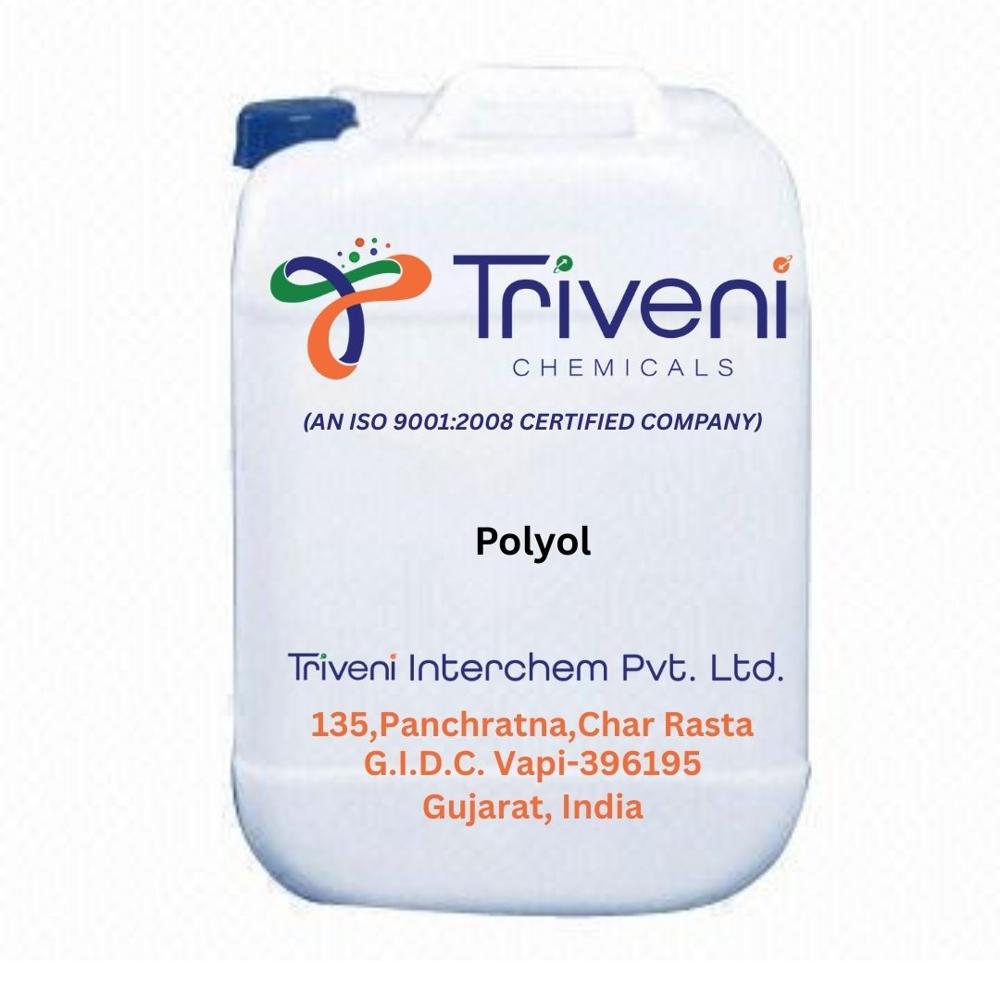
Technical profile of Polyol, a high-purity raw chemical material supplied by Triveni Chemicals for industrial manufacturing and laboratory synthesis.
Industrial Uses & Applications:
They Are Widely Used As Key Raw Materials In The Manufacture Of Polyurethanes, Including Flexible And Rigid Foams, Coatings, Adhesives, Sealants, And Elastomers. Polyols Are Also Used In Food, Pharmaceuticals, And Personal Care Products As Sweeteners, Humectants, And Stabilizers. Chemically, Polyols May Be Polyester, Polyether, Or Natural In Origin And Vary In Molecular Weight And Functionality.
Key Industrial Building BlockPolyols are crucial in the polyurethane industry, providing essential structural components for creating foams, coatings, and elastomers. Their multifunctional hydroxyl groups enable strong molecular interactions, allowing for tailored flexibility and durability in finished products.
Versatile Chemical ApplicationsBeyond their polymer uses, polyols offer advantages as solvents and intermediates in industrial chemical synthesis. Their ability to dissolve in water and resistant chemical nature make them an asset in producing antifreeze and coolant mixtures, contributing to enhanced operational safety.
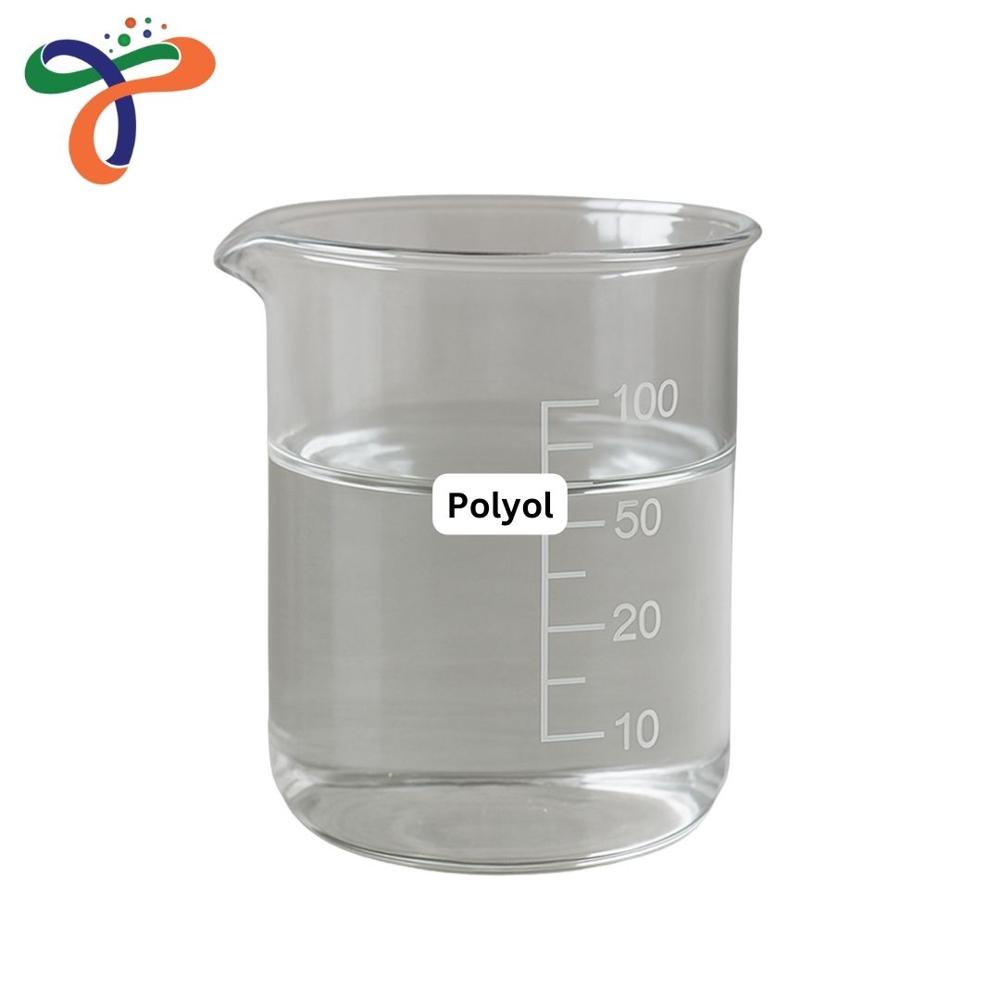
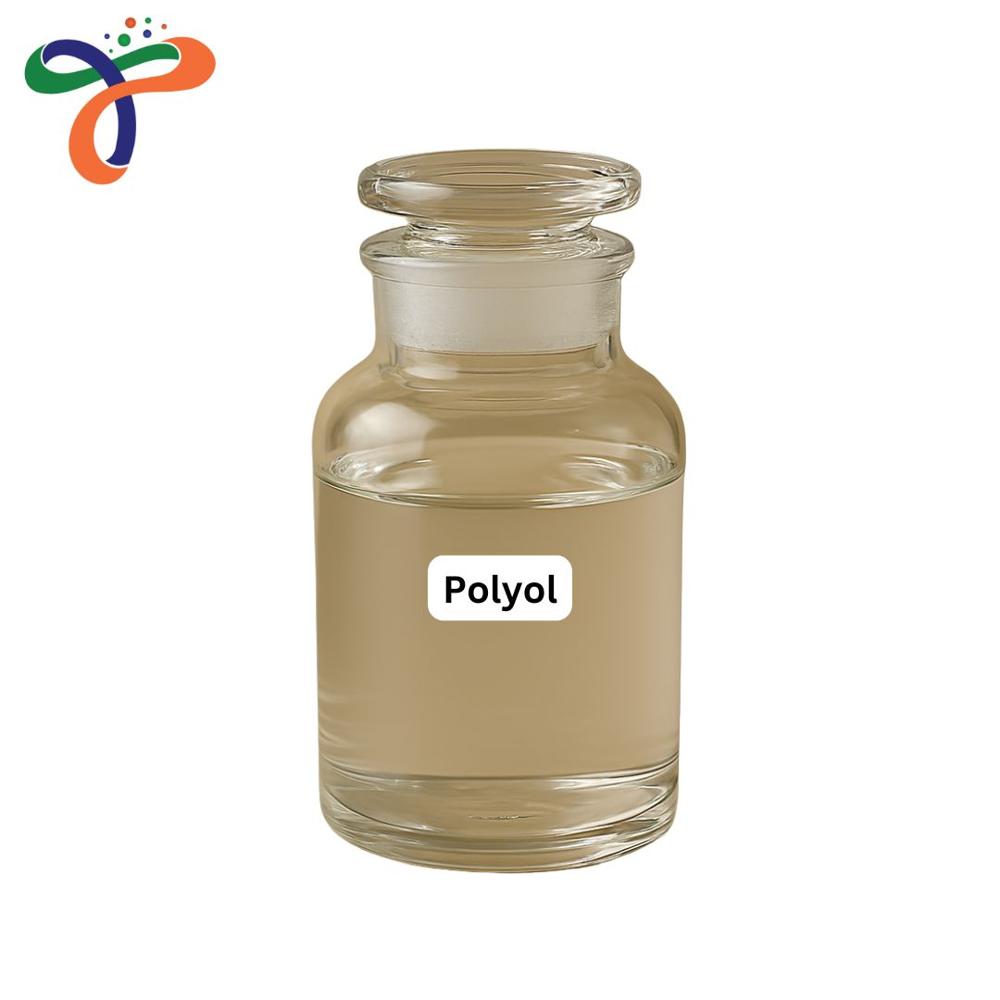
Physical and Chemical ExcellenceBoasting a sweet-smelling, colorless liquid form with a melting point of -12.9C, this polyol stands out for its high purity (98-99%) and complete water miscibility. These characteristics ensure consistent performance, stability, and easy integration into a variety of industrial formulations.
FAQ's of Polyol (62.07 g/mol) (197.3 Degree C):
Q: How are polyols used in the polyurethane industry?
A: Polyols serve as key reactants with isocyanates to form a variety of polyurethane products, including flexible and rigid foams, elastomers, and protective coatings. Their multiple hydroxyl groups allow for versatile polymer structures tailored to specific applications.
Q: What are the primary applications of this polyol in industry?
A: This polyol is widely used as a building block for polyurethanes, as well as an ingredient in industrial antifreeze and coolant formulations. It also functions as a solvent and precursor for chemical syntheses due to its excellent solubility and reactivity.
Q: When is polyol preferred over other compounds in manufacturing processes?
A: Polyol is favored when a high-purity, water-miscible, and stable compound is required for producing durable polymers, or when formulating effective antifreeze and coolant solutions. Its chemical stability and versatility make it suitable for consistent industrial output.
Q: Where can polyol be sourced for large-scale industrial use?
A: Polyol with these specifications is available from various manufacturers and suppliers across India. Reliable sourcing ensures access to high-quality, high-purity material suitable for industrial applications.
Q: What is the process for integrating polyol into antifreeze or coolant products?
A: Typically, polyol is blended with other components under controlled conditions, leveraging its miscibility and stability to develop effective antifreeze or coolant formulations that protect machinery from freezing and overheating.
Q: What are the benefits of using polyol in chemical synthesis?
A: The compound offers high purity and excellent solubility, facilitating smooth reactions and yielding reliable intermediates. Its stability and compatibility with other chemicals streamline process efficiency in industrial syntheses.






 Send Inquiry
 Send Inquiry
 Send Inquiry
 English
 Spanish
 French
 German
 Italian
 Chinese (Simplified)
 Japanese
 Korean
 Arabic
 Portuguese