Back to top
Pyridinium Chlorochromate (26299-14-9)

Pyridinium Chlorochromate (26299-14-9)

Price 2000.0 INR/ Kilograms

MOQ : 25 Kilograms

Pyridinium Chlorochromate (26299-14-9) Specification

  • Melting Point
  • 132 C
  • Application
  • Industrial
  • Molecular Weight
  • 215.57 g/mol Grams (g)
  • Solubility
  • Soluble in water; soluble in acetone; insoluble in nonpolar solvents
  • Physical Form
  • Solid
  • Structural Formula
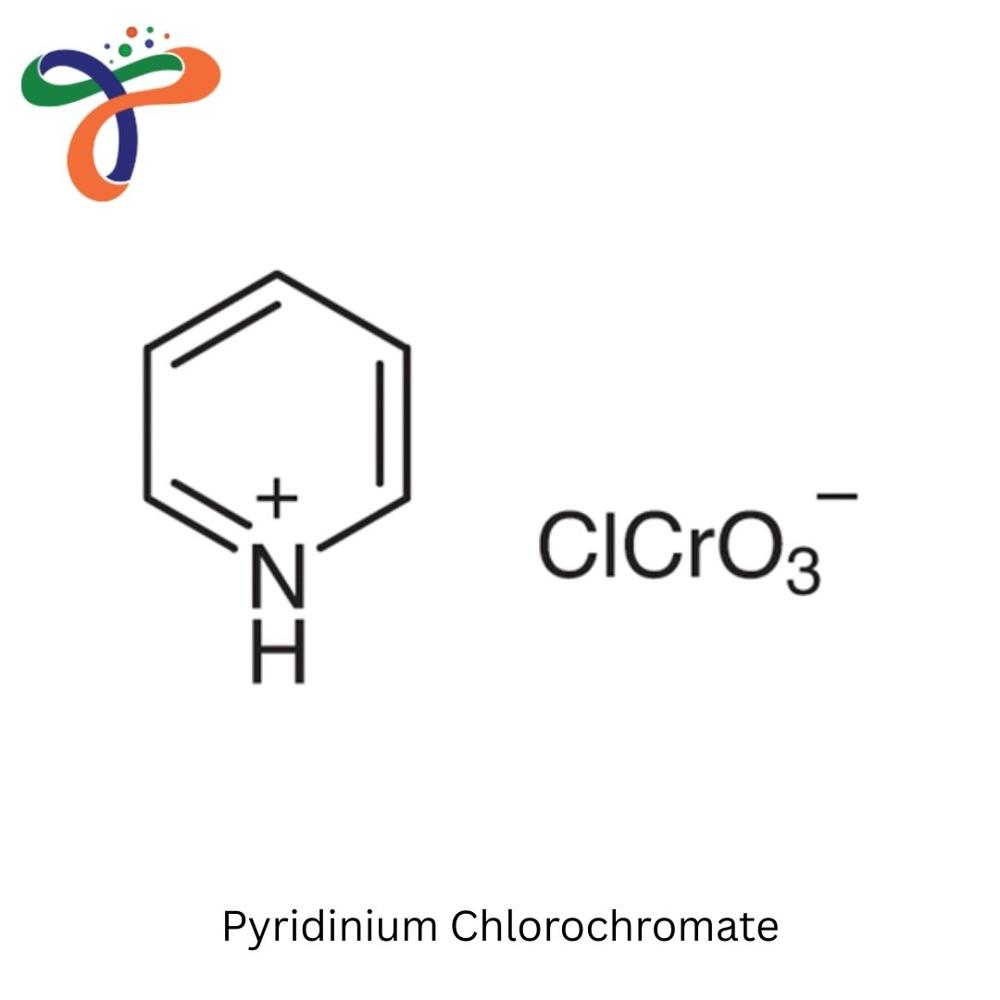
  • C5H5N.ClCrO3.H
  • Appearance
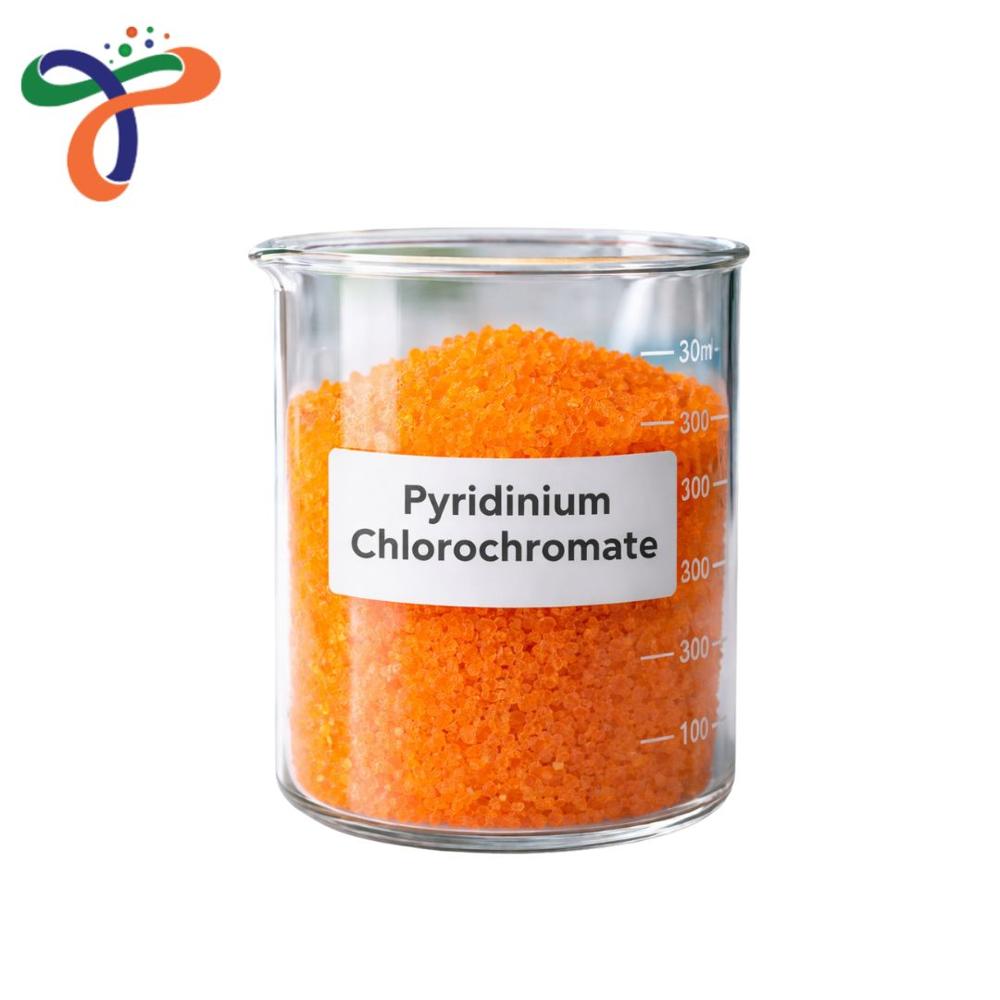
  • Yellow-orange crystalline solid
  • Purity
  • 98 99%
  • Storage
  • Other
  • Molecular Formula
  • C5H5N.ClCrO3.H
  • CAS No
  • 26299-14-9
  • Refractive Rate
  • 1.63
  • Usage
  • Oxidizing agent for selective oxidation of primary and secondary alcohols to aldehydes and ketones in organic synthesis
  • Properties
  • Pyridinium Chlorochromate is an orange crystalline compound widely used as an oxidizing agent in organic chemistry. It is prepared by reacting pyridine with chromium trioxide and hydrochloric acid.


About Pyridinium Chlorochromate (26299-14-9)

Pyridinium Chlorochromate (PCC) Is A Widely Used Oxidizing Agent In Organic Synthesis. It Is Primarily Employed To Oxidize Primary Alcohols To Aldehydes And Secondary Alcohols To Ketones Under Mild, Controlled Conditions Without Over-Oxidation To Carboxylic Acids. PCC Is Handled With Care In Dry, Controlled Conditions.

Versatile Oxidizing Agent for Organic Synthesis

Pyridinium Chlorochromate is highly regarded for its ability to selectively oxidize alcohols in organic chemical processes. It enables chemists to convert primary alcohols to aldehydes and secondary alcohols to ketones under controlled conditions without over-oxidizing, thus maintaining product integrity. This makes PCC an essential reagent in both research and industrial laboratories.


Physical and Chemical Characteristics

Appearing as an orange crystalline solid with a molecular weight of 215.57 g/mol, PCC is slightly soluble in water and freely soluble in dichloromethane. Its robust oxidizing ability and controlled reaction profile contribute to its popularity in chemical synthesis, while handling measures ensure safety due to its chromium content.

FAQ's of Pyridinium Chlorochromate:


Q: How is Pyridinium Chlorochromate (PCC) commonly used in industrial applications?

A: PCC is widely utilized in organic synthesis to oxidize primary alcohols to aldehydes and secondary alcohols to ketones, often under mild conditions, minimizing unwanted side reactions. Its efficiency makes it a preferred choice in chemical manufacturing and laboratory research.

Q: What is the process for preparing Pyridinium Chlorochromate?

A: PCC is manufactured by reacting pyridine with chromium trioxide and hydrochloric acid, resulting in the distinctive orange crystalline compound. The synthesis is generally carried out in controlled, dry conditions to ensure product purity.

Q: When should Pyridinium Chlorochromate be used over other oxidizing agents?

A: PCC is particularly advantageous when selective oxidation is required, especially to avoid over-oxidation of aldehydes or ketones to carboxylic acids. It works best for sensitive substrates under controlled conditions.

Q: Where can Pyridinium Chlorochromate be sourced, and who supplies it?

A: Pyridinium Chlorochromate with specified purity is manufactured and supplied by chemical companies in India, catering to both domestic and international markets for industrial and research applications.

Q: What are the primary benefits of using PCC in organic synthesis?

A: The main benefits include its ability to deliver selective oxidation, maintain product specificity, and operate under relatively mild conditions that help prevent degradation or further oxidation of sensitive molecules.

Q: How should Pyridinium Chlorochromate be handled to ensure safety?

A: PCC should be managed in dry, controlled environments due to its reactive and toxic chromium content. Proper personal protective equipment, such as gloves and eye protection, is necessary to prevent direct contact.

Tell us about your requirement
product

Price:

Quantity
Select Unit

  • 50
  • 100
  • 200
  • 250
  • 500
  • 1000+
Additional detail
Mobile number

Email

More Products in Industrial Chemicals Category

4-Chlorobenzaldehyde (104-88-1)

4-Chlorobenzaldehyde (104-88-1)

Price 247.5 INR / Kilograms

Minimum Order Quantity : 1 Kilograms

Physical Form : Other, Liquid or crystalline solid

Application : Other , Intermediate for dyes, pharmaceuticals, agrochemicals

Solubility : Slightly soluble in water, soluble in organic solvents

Purity : 99%

Calcium Bicarbonate (3983-19-5)

Calcium Bicarbonate (3983-19-5)

Price 125.0 INR / Kilograms

Minimum Order Quantity : 1 Kilograms

Physical Form : Powder

Application : Industrial

Solubility : Soluble in water; forms a clear solution; slightly soluble in ethanol

Purity : 98 99%

Hydrofluoric Acid 60%

Hydrofluoric Acid 60%

Price 150.0 INR / Kilograms

Minimum Order Quantity : 25 Kilograms

Physical Form : Liquid

Application : Industrial

Solubility : Completely miscible in water

Purity : 60 60%

Sulfolane (126-33-0) (C4H8O2S)

Sulfolane (126-33-0) (C4H8O2S)

Price 260.0 INR / Kilograms

Minimum Order Quantity : 25 Kilograms

Physical Form : Liquid

Application : Industrial

Solubility : Miscible with water; soluble in many organic solvents

Purity : 99 99.5%