
Call us now
08045816834
Call us now
08045816834



Price:

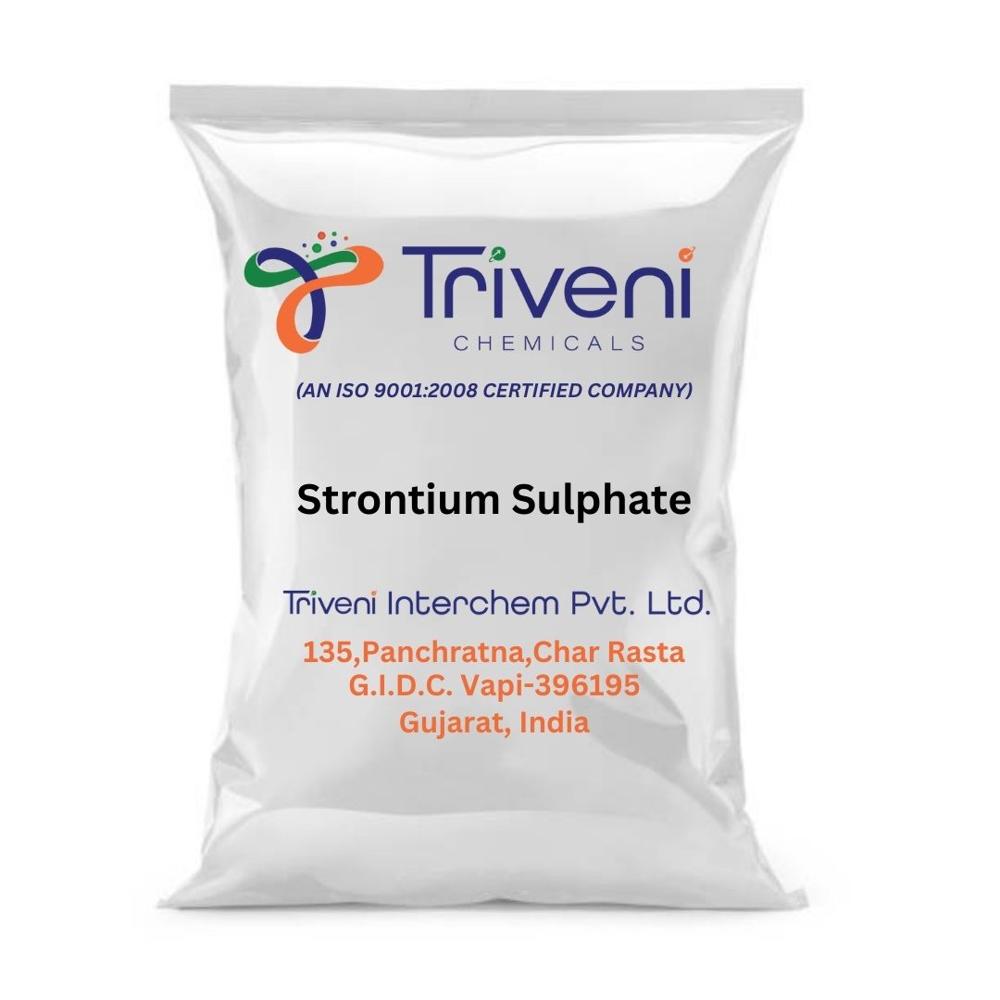
Price 242.0 INR / Kilograms
Minimum Order Quantity : 25 Kilograms
Melting Point : 1,606 C
Molecular Formula : NA
Properties : Strontium sulphate known mineralogically as celestine, is a naturally occurring, dense inorganic salt. It serves as the primary industrial source of strontium and is utilized as a filler in paints, rubbers, and plastics. Its low solubility makes it an ideal additive for stabilizing specialized glasses and ceramic glazes.
Purity : 9899%
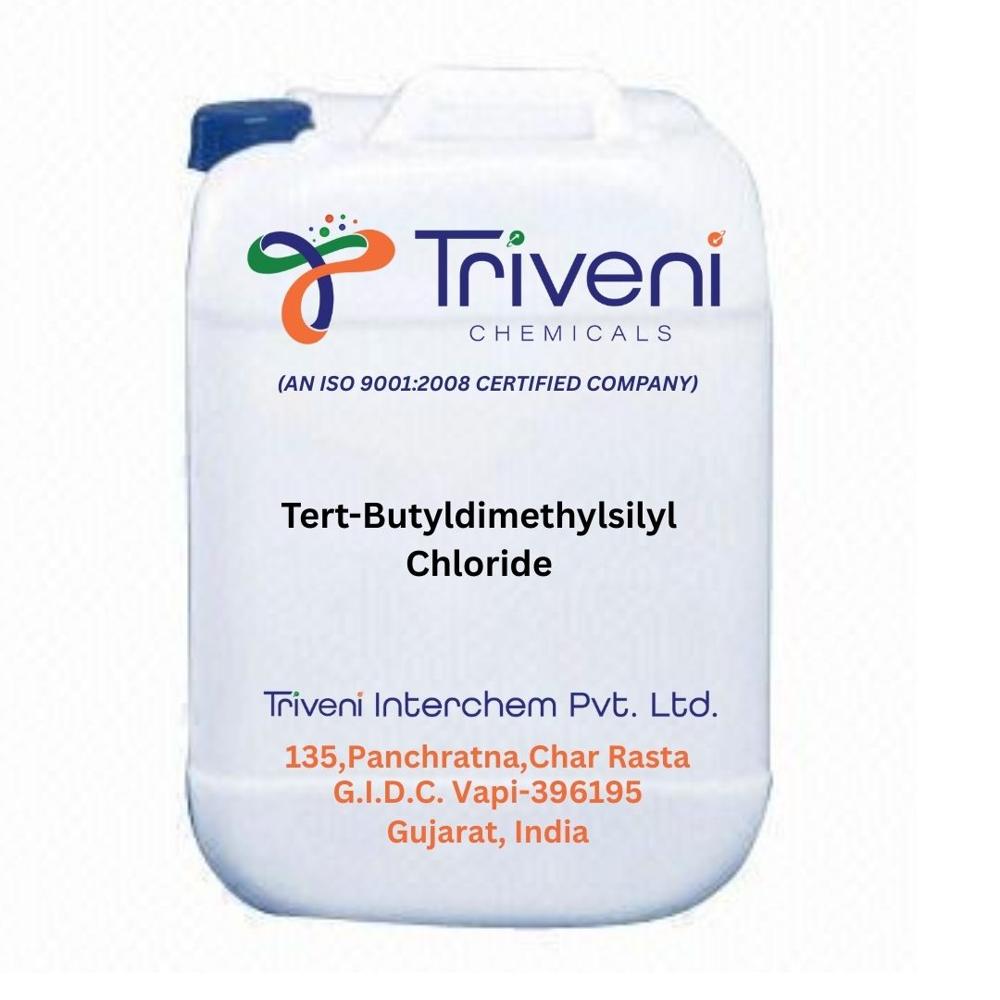
Price 1300.0 INR / Kilograms
Minimum Order Quantity : 25 Kilograms
Melting Point : 48 C
Molecular Formula : C6H15ClSi
Properties : TertButyldimethylsilyl chloride is a colorless to pale yellow crystalline powder used as a silylation reagent for protection of alcohols and amines. It reacts with nucleophiles releasing HCl.
Purity : 98 99%
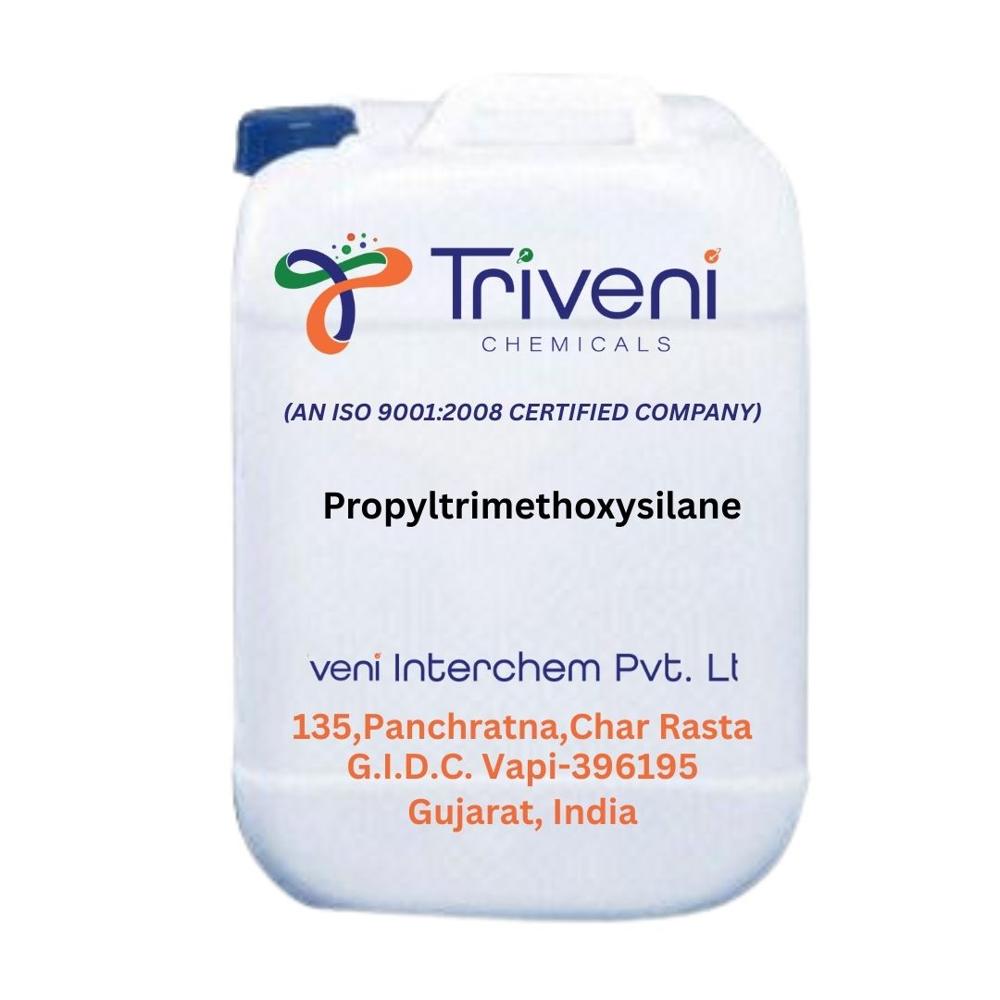
Price 175.0 INR / Kilograms
Minimum Order Quantity : 25 Kilograms
Melting Point : 70 C
Molecular Formula : C6H16O3Si
Properties : It appears as a clear, colorless liquid with a mild alcohollike odor. It is moisturesensitive and hydrolyzes in water to form silanols and methanol. It is soluble in many organic solvents and stable when kept dry.
Purity : 98 99%
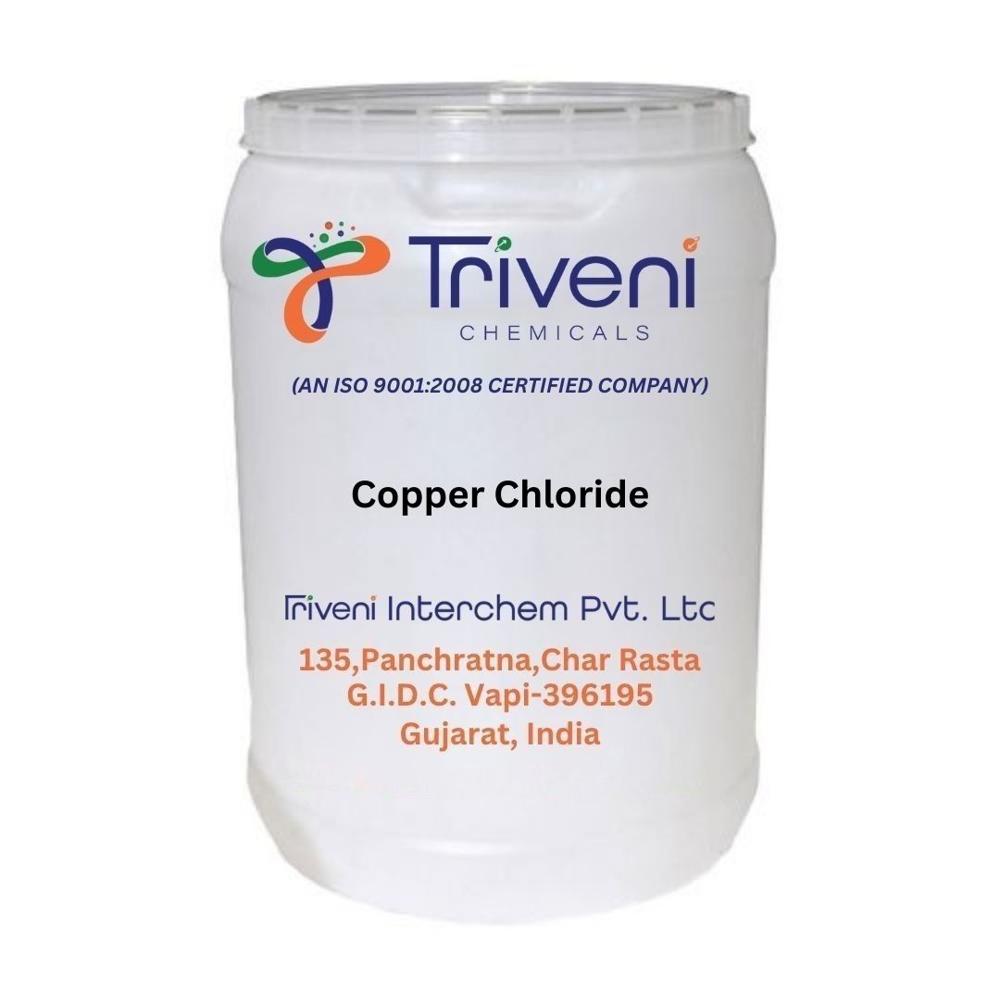
Price 435.0 INR / Kilograms
Minimum Order Quantity : 1 Kilograms
Melting Point : 498 C
Molecular Formula : NA
Properties : Copper chloride is a versatile yellowishbrown or bluegreen solid primarily used as a catalyst in organic synthesis and petroleum refining. It is essential in textile dyeing as a mordant, in the manufacture of pyrotechnics to produce green flames, and as an agricultural fungicide.
Purity : 98 99%

Thank You!
Thank You for your valuable time. We have received your details and will get back to you shortly.


For an immediate response, please call this
number 08045816834
Price:

 Send Inquiry
 Send Inquiry
 Send Inquiry
 Call Me Free
 English
 Spanish
 French
 German
 Italian
 Chinese (Simplified)
 Japanese
 Korean
 Arabic
 Portuguese