Sodium Cyanate (917-61-3) About
We are Supplier, Exporter and Contract Manufacturer.
Technical profile of Sodium Cyanate, a high-purity raw chemical material supplied by Triveni Chemicals for industrial manufacturing and laboratory synthesis.
Technical Specifications:
CAS Number: 917-61-3
Synonyms: Zassol
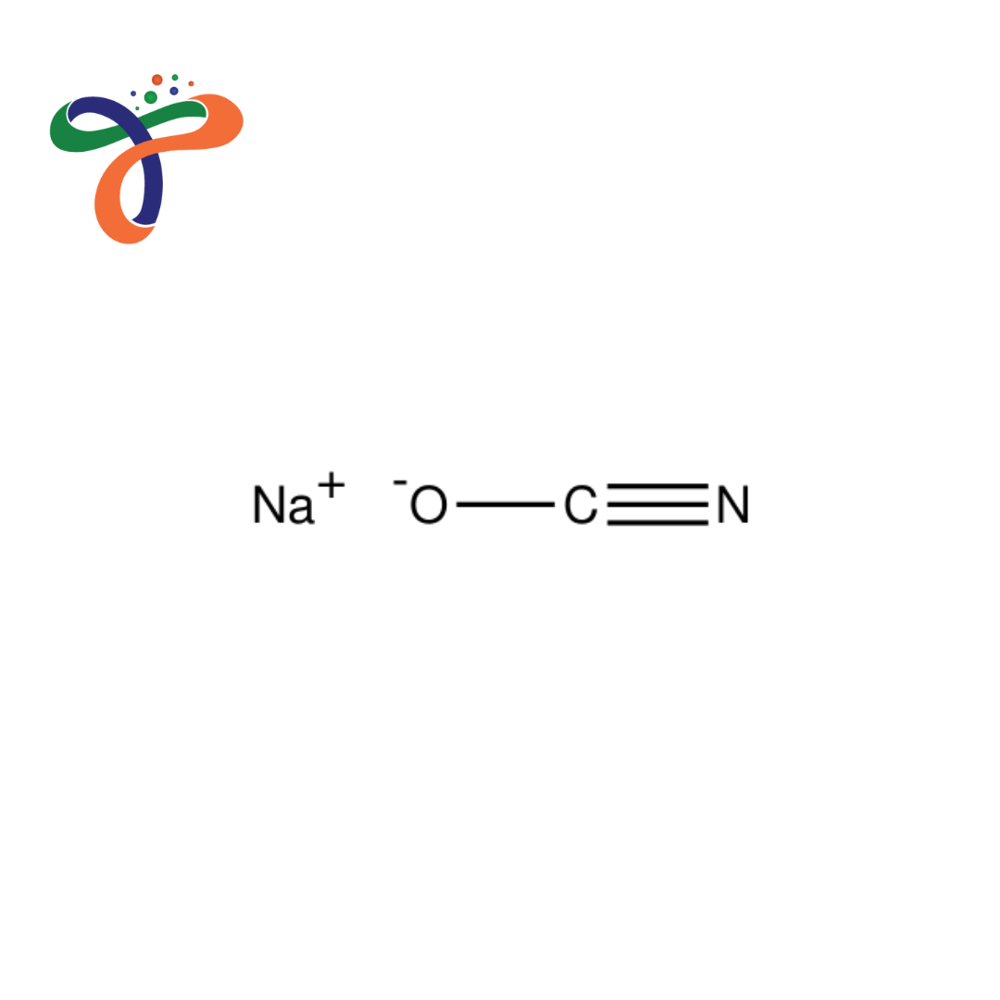
Chemical Formula: NaOCN
Industrial Uses & Applications:
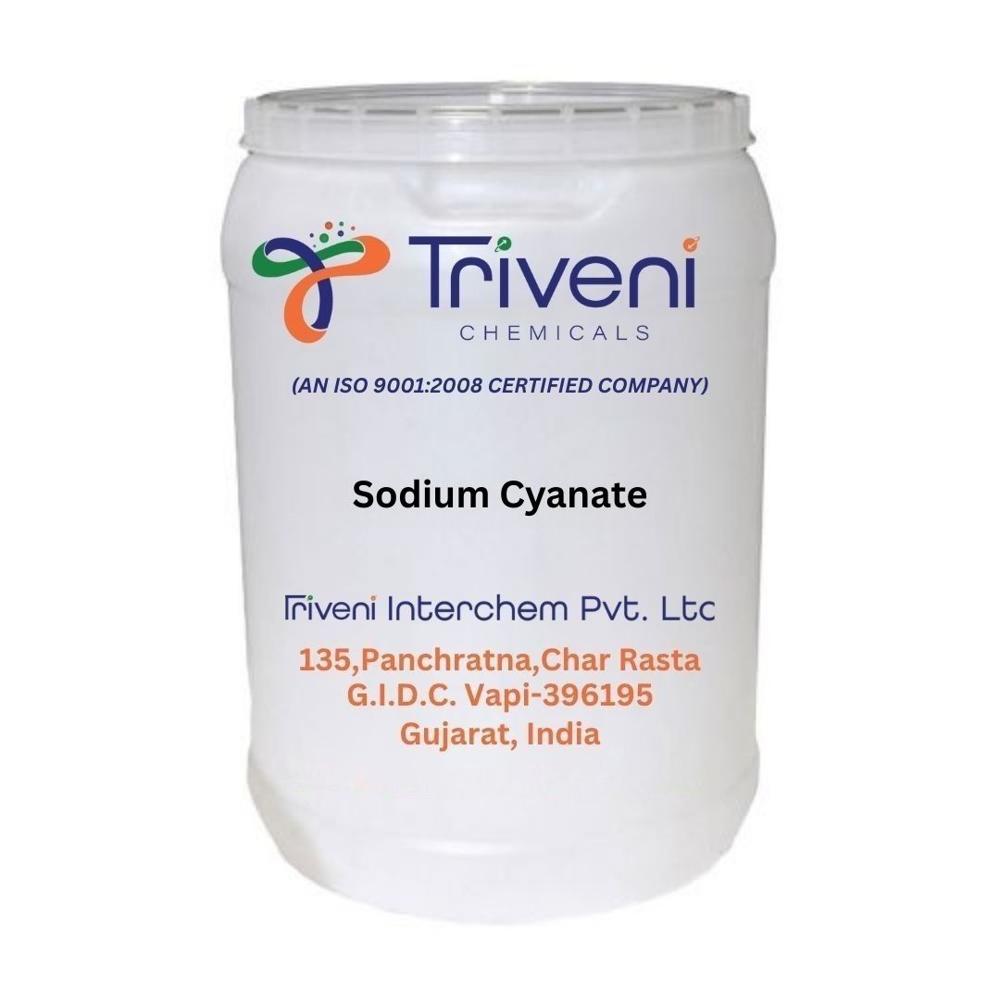
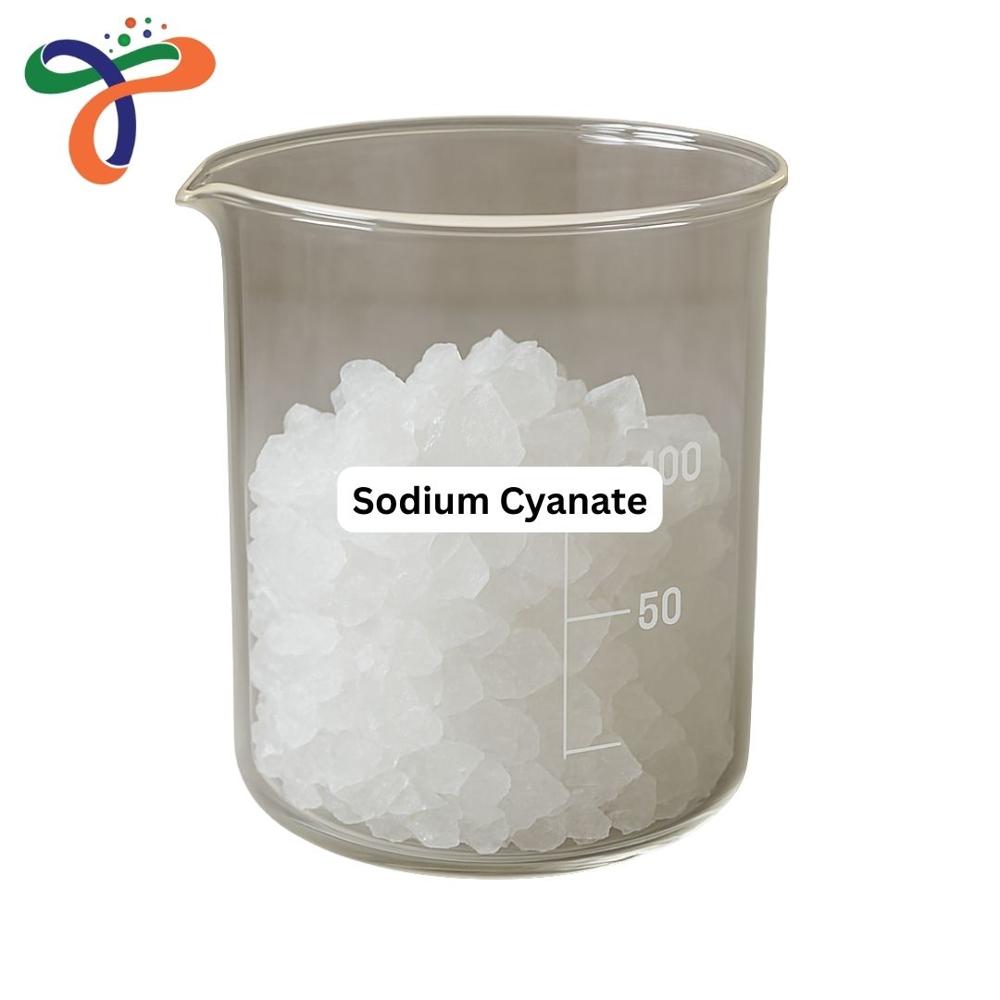
It Appears As A White To Off White Crystalline Powder And Is Readily Soluble In Water. Sodium Cyanate Is Mainly Used In Metallurgy For Case Hardening And Heat Treatment Of Steel, Where It Serves As A Carbon And Nitrogen Donor.
Key Features of Sodium CyanateSodium cyanate stands out due to its high purity, notable solubility in water, and stable crystalline form. Its white, solid appearance and reliable melting point of 270C ensure consistent quality for industrial applications. As a cyanating reagent, it enables the efficient production of carbamates and other important chemical derivatives.
Industrial ApplicationsThis compound plays a pivotal role as an intermediate in the synthesis of pharmaceuticals, crop protection agents, and advanced polymers. Sodium cyanate's ability to function in organic synthesis and textile processing underscores its importance across multiple sectors, supporting both innovation and efficiency in chemical manufacturing.
FAQ's of Sodium Cyanate (917-61-3):
Q: How is sodium cyanate commonly used in industry?
A: Sodium cyanate is primarily utilized as an intermediate for synthesizing pharmaceuticals, agricultural pesticides, and specialty polymers. It also acts as a cyanating reagent in carbamate synthesis, is involved in textile processing and dye production, and serves as a precursor for isocyanates.
Q: What benefits does sodium cyanate offer for chemical synthesis?
A: Due to its high purity and reactivity, sodium cyanate enhances yield and reaction efficiency in organic syntheses. Its strong solubility in water and stable solid form make it a practical and effective reagent for multiple chemical processes.
Q: When should sodium cyanate be considered as a reagent?
A: Sodium cyanate is ideal for use when cyanating organic compounds or forming carbamates during organic synthesis. Its reliability and ease of handling make it suitable for times when precision and efficiency are critical in industrial or laboratory settings.
Q: Where is sodium cyanate typically supplied from?
A: Leading manufacturers and suppliers of sodium cyanate are based in India, providing high-purity product to both domestic and international markets. Reputable sources ensure strict quality control and adherence to industry standards.
Q: What processes involve the use of sodium cyanate?
A: Processes including pharmaceutical intermediate synthesis, pesticide development, polymer manufacturing, textile treatment, and dye formulation all utilize sodium cyanate due to its effective cyanating properties.
Q: How does sodium cyanate benefit textile or dye industries?
A: In textile processing and dye production, sodium cyanate serves as a reagent that aids in achieving desired chemical transformations, ensuring colorfastness, fabric treatment, and efficient dye integration for high-quality product outcomes.






 Send Inquiry
 Send Inquiry
 Send Inquiry
 Call Me Free
 English
 Spanish
 French
 German
 Italian
 Chinese (Simplified)
 Japanese
 Korean
 Arabic
 Portuguese