Styrene (100-42-5) (C8H8) About
Product Overview:
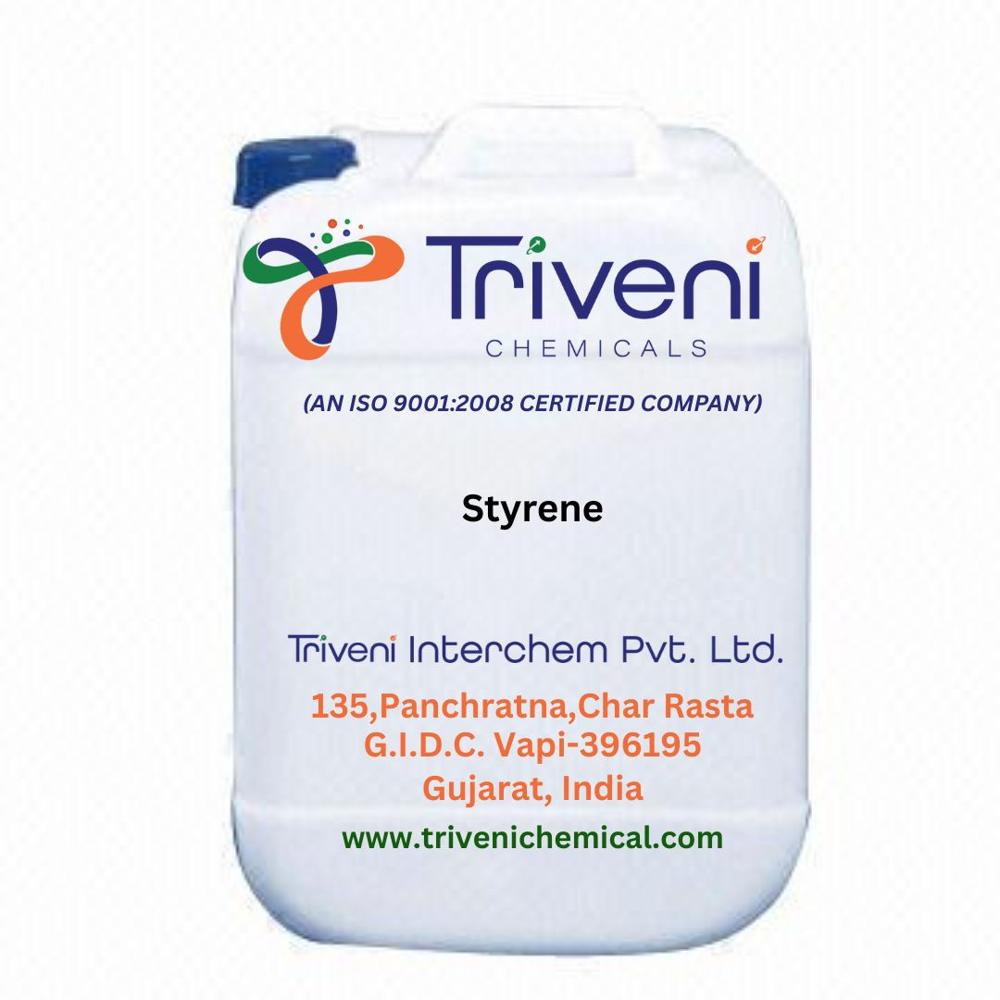
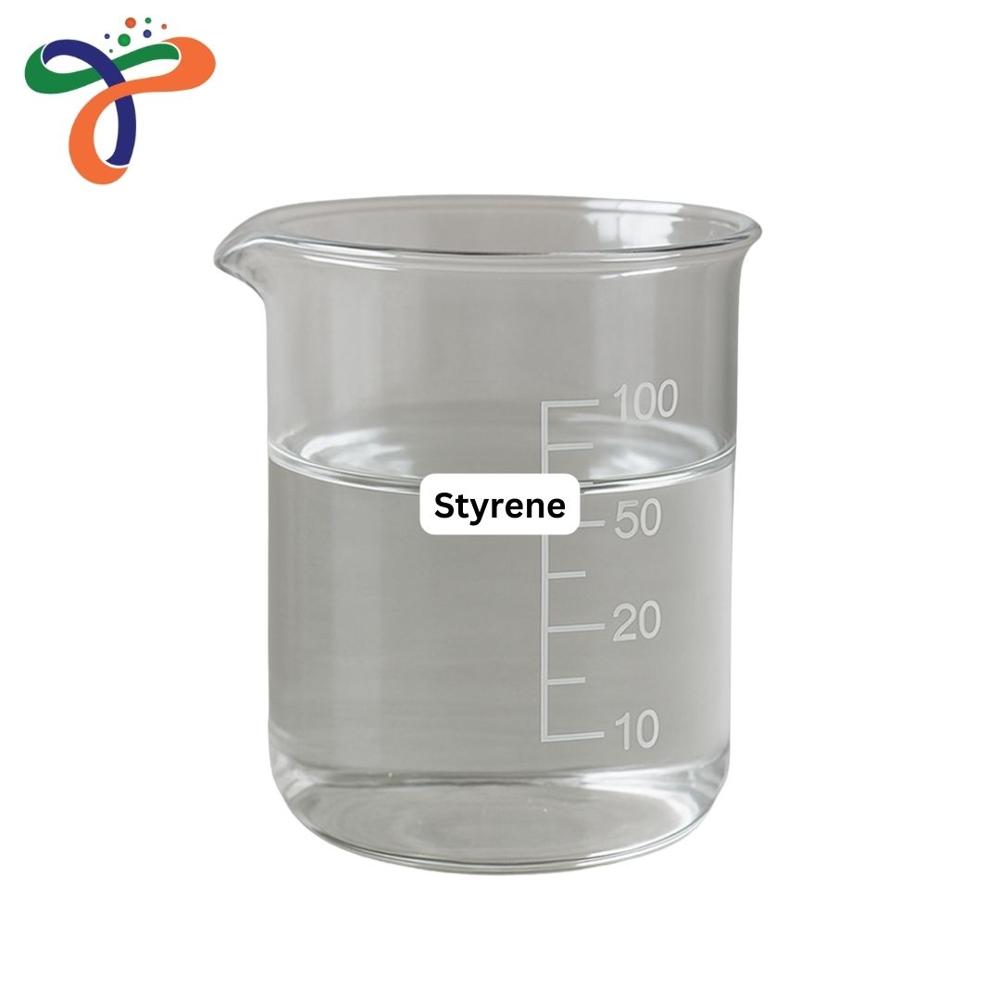
Technical profile of Styrene, a high-purity raw chemical material supplied by Triveni Chemicals for industrial manufacturing and laboratory synthesis.
Technical Specifications:
CAS Number: 100-42-5
Synonyms: Vinylbenzene
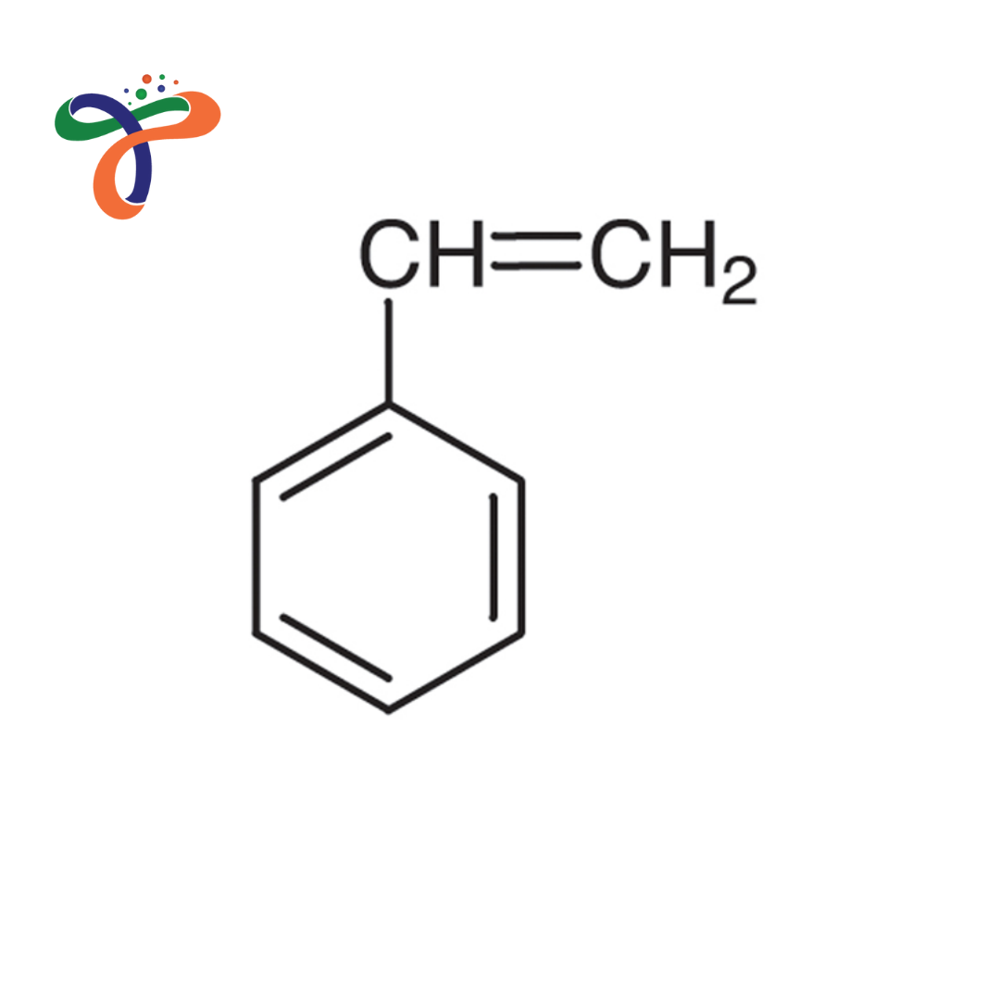
Chemical Formula: C8H8
Industrial Uses & Applications:
It Is A Major Industrial Monomer Used In The Manufacture Of Polystyrene Plastics, Abs Resins, Synthetic Rubber, Fiberglass-Reinforced Plastics, And Unsaturated Polyester Resins. Styrene Is An Aromatic Vinyl Compound That Readily Undergoes Polymerization And Copolymerization Reactions.
Versatile Monomer for Industrial ApplicationsStyrene's highly reactive liquid form makes it an essential component for many polymerization processes. Predominantly used in the creation of polystyrene and other copolymers, it is integral to the production of synthetic rubber, resins, and diverse plastic materials. Its ability to impart durability and flexibility means that end-products can cater to stringent industrial requirements.
Primary Uses Across Key IndustriesThe broad utility of styrene extends from packaging and insulation products to automotive parts and household items. Its slight solubility in water and chemical structure make it easy to incorporate into various manufacturing processes, driving efficiency in sectors that demand lightweight and high-performance materials.
FAQ's of Styrene (100-42-5) (C8H8):
Q: How is styrene commonly used in industrial applications?
A: Styrene is primarily utilized as a monomer in the manufacture of polystyrene, synthetic rubber, and resins. Its reactivity makes it suitable for creating materials used in packaging, insulation, automotive components, and household goods.
Q: What is the process for polymerizing styrene into polystyrene?
A: Styrene undergoes a polymerization reaction, typically initiated by heat or catalysts, to link monomer units into long chains, resulting in the formation of polystyrene-a versatile plastic material.
Q: When should I use styrene for plastic production?
A: Styrene is ideal for plastic production when high durability, moldability, and clarity are desired, especially in applications such as food and product packaging, insulation, and automotive parts.
Q: Where is styrene sourced from in India?
A: Styrene is produced and supplied by various industrial chemical manufacturers across India, ensuring its availability for large-scale and small-scale industrial needs.
Q: What are the benefits of using styrene-based products?
A: Products made with styrene offer benefits such as lightweight construction, resistance to impact, and cost-effectiveness, making them suited for a wide array of commercial and industrial applications.
Q: How does styrene's slight water solubility affect its use?
A: Styrene's slight solubility in water enables it to be handled more easily during industrial processes while minimizing environmental dispersion, which is advantageous for processing and manufacturing stability.






 Send Inquiry
 Send Inquiry
 Send Inquiry
 English
 Spanish
 French
 German
 Italian
 Chinese (Simplified)
 Japanese
 Korean
 Arabic
 Portuguese