
Call us now
08045816834
Call us now
08045816834


Price:

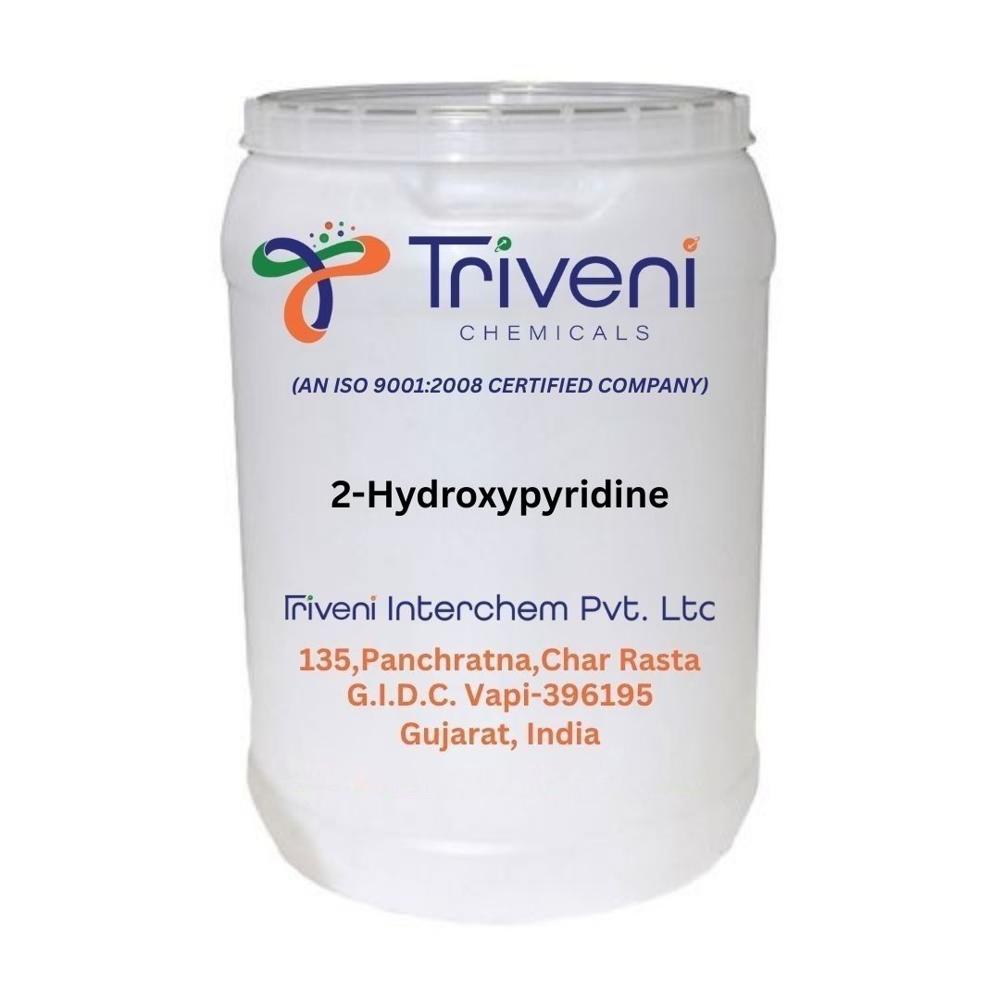
Price 1800.0 INR / Kilograms
Minimum Order Quantity : 25 Kilograms
Solubility : Slightly soluble in water; soluble in organic solvents such as chloroform and methanol
Purity : 98 99%
Molecular Formula : C5H5NO
Properties : 2Hydroxypyridine is a white to offwhite crystalline powder, acts as a heterocyclic aromatic compound.
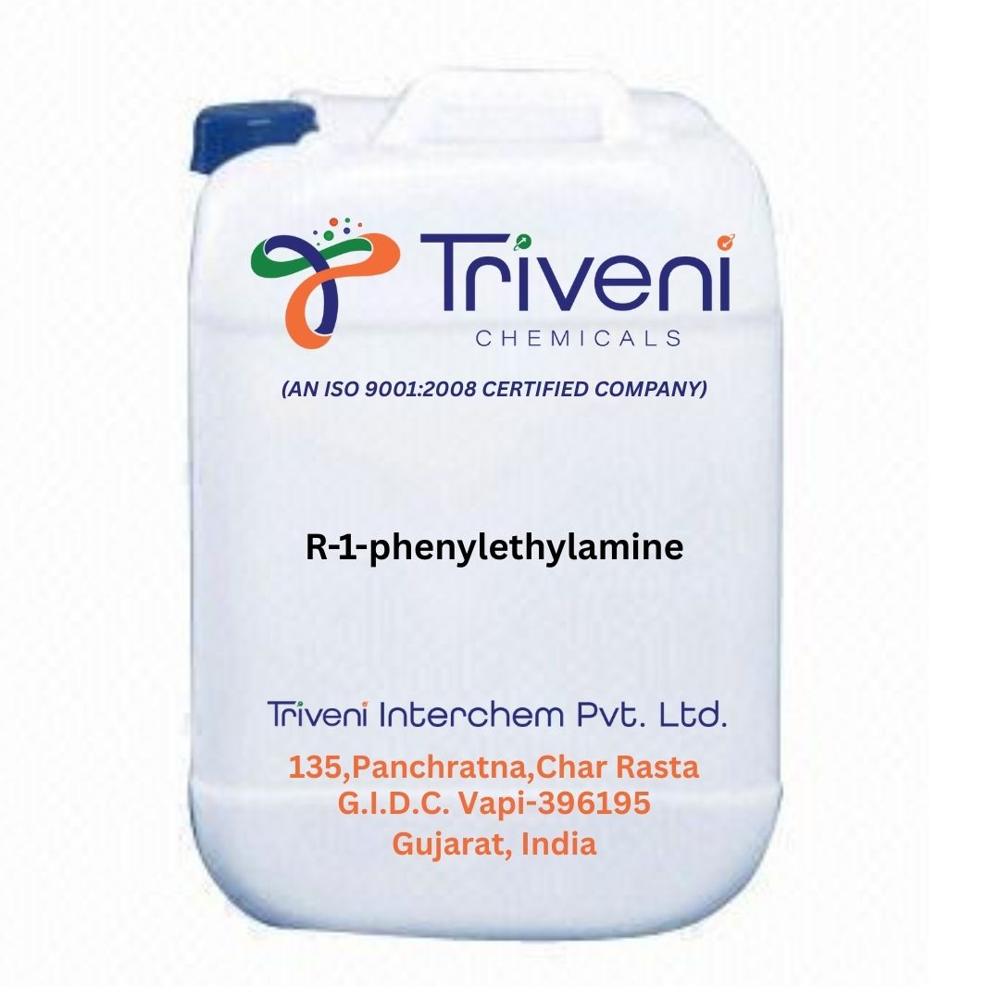
Price 1130.0 INR / Kilograms
Minimum Order Quantity : 25 Kilograms
Solubility : Soluble in water; soluble in ethanol and ether
Purity : 98 99%
Molecular Formula : C8H11N
Properties : It is a chiral aromatic amine used as an important intermediate in pharmaceutical and fine chemical synthesis. It appears as a colorless to pale yellow liquid with an amine odor, soluble in organic solvents and moderately soluble in water.
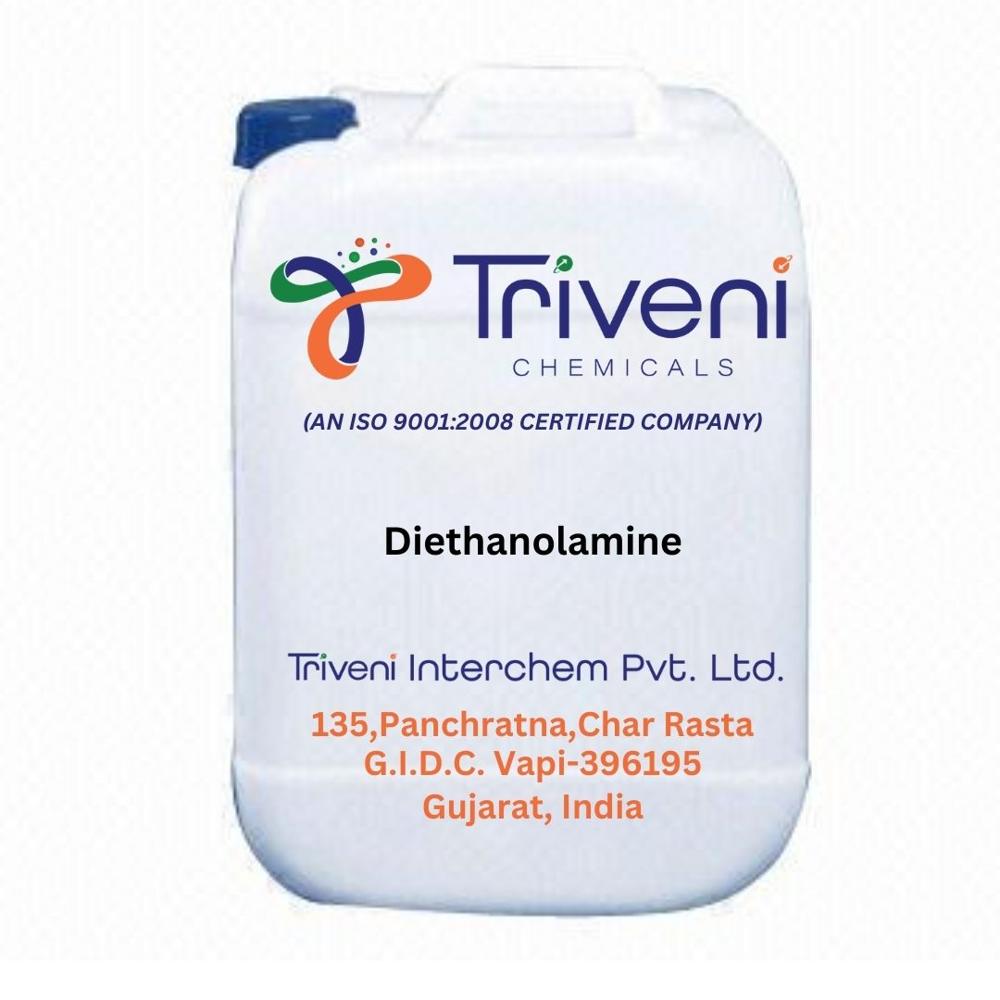
Price 92.0 INR / Kilograms
Minimum Order Quantity : 1 Kilograms
Solubility : Completely miscible with water
Purity : 98 99%
Molecular Formula : C4H11NO2
Properties : Diethanolamine is a versatile amino alcohol primarily used as a gas scrubbing agent to remove acidic impurities like CO2 and H2S from natural gas. It is essential for manufacturing surfactants, detergents, and agricultural chemicals, serving as a critical emulsifier in personal care products.
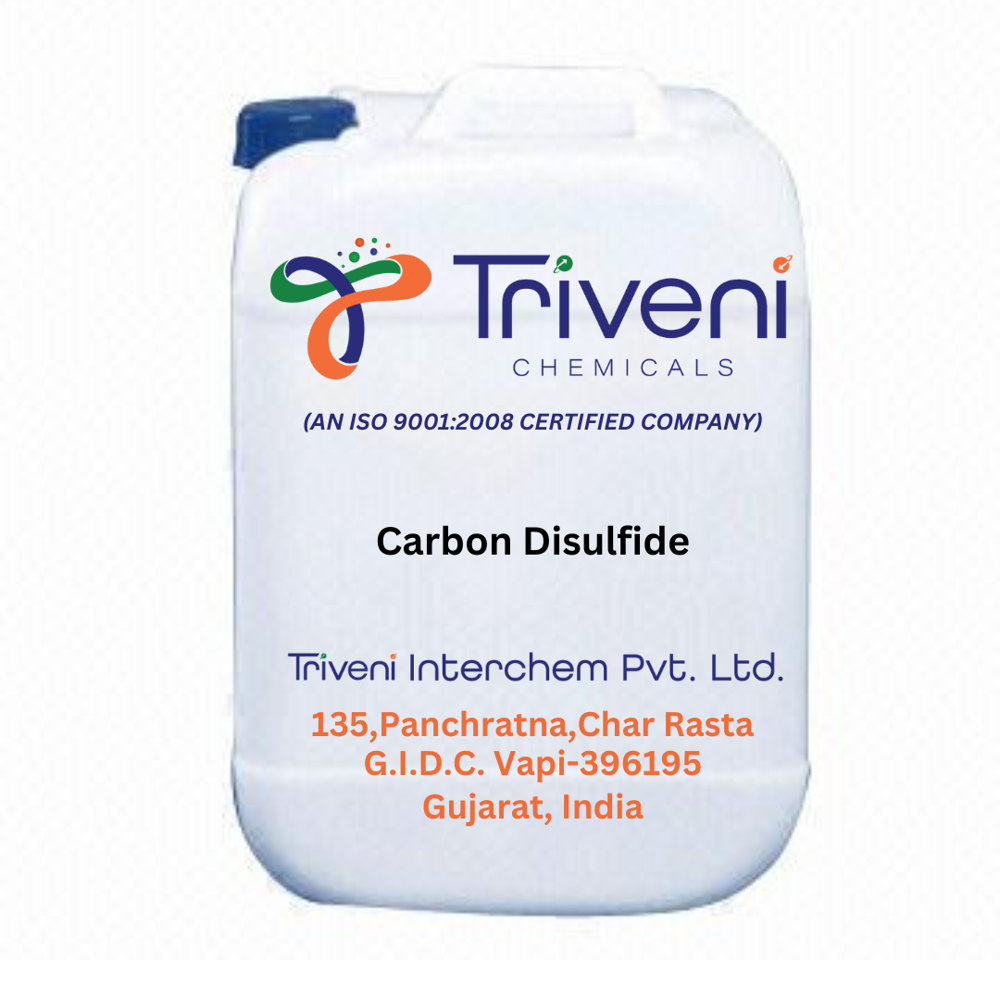
Price 129.0 INR / Kilograms
Minimum Order Quantity : 1 Kilograms
Solubility : Slightly soluble in water; soluble in nonpolar organic solvents (benzene, chloroform, ether)
Purity : 98 99%
Molecular Formula : CS2
Properties : Carbon disulfide is a colorless, volatile liquid with a distinctive, pungent odor. It is primarily used as a critical solvent in the industrial production of viscose rayon and cellophane. Additionally, it serves as a precursor for manufacturing carbon tetrachloride, soil disinfectants, and rubber vulcanization accelerators.

Thank You!
Thank You for your valuable time. We have received your details and will get back to you shortly.


For an immediate response, please call this
number 08045816834
Price:

 Send Inquiry
 Send Inquiry
 Send Inquiry
 English
 Spanish
 French
 German
 Italian
 Chinese (Simplified)
 Japanese
 Korean
 Arabic
 Portuguese